 📌 Pin
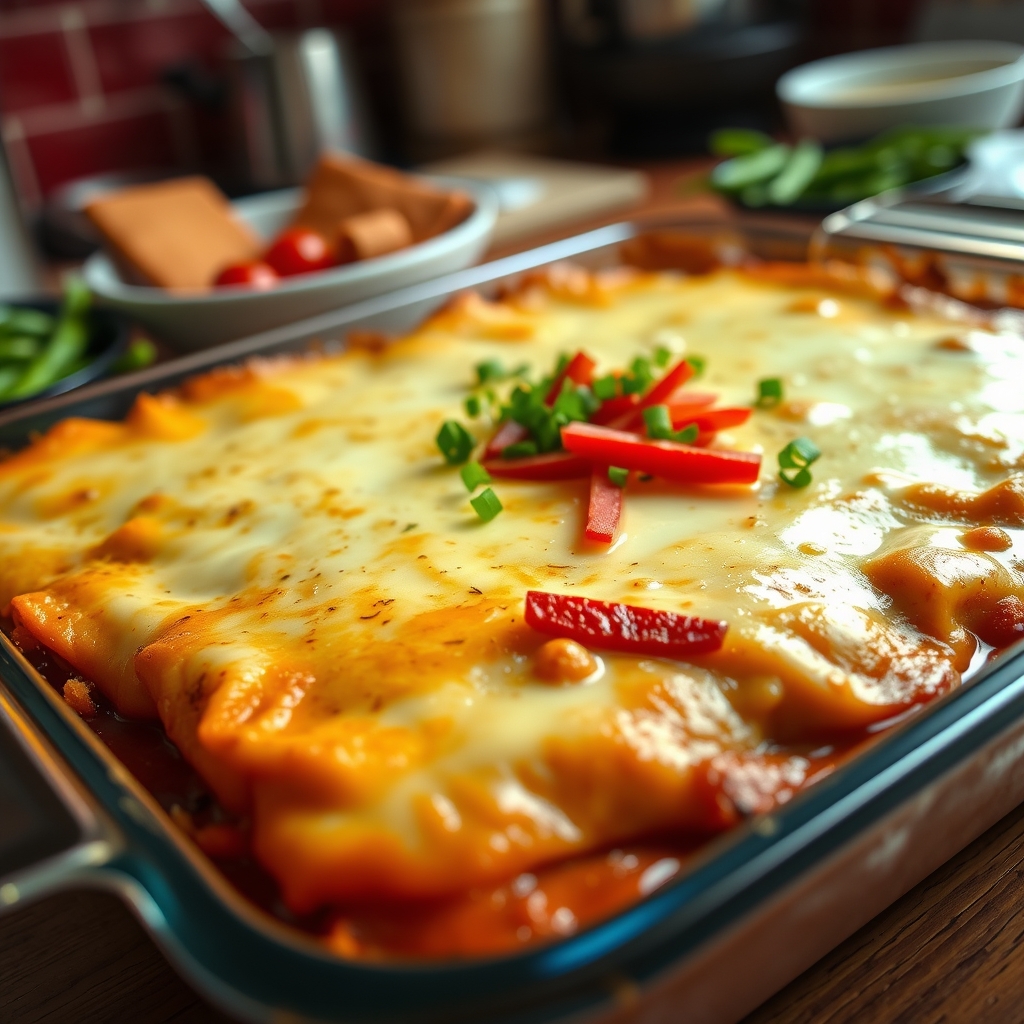
📌 PinCheese rabokki is what happens when Korean street food gets a cozy, dairy-drenched upgrade. This cheese rabokki recipe brings chewy tteok rice cakes, springy instant ramyeon noodles, and a glossy gochujang sauce together under a blanket of melted mozzarella. It is spicy, sweet, savory, and seriously comforting.
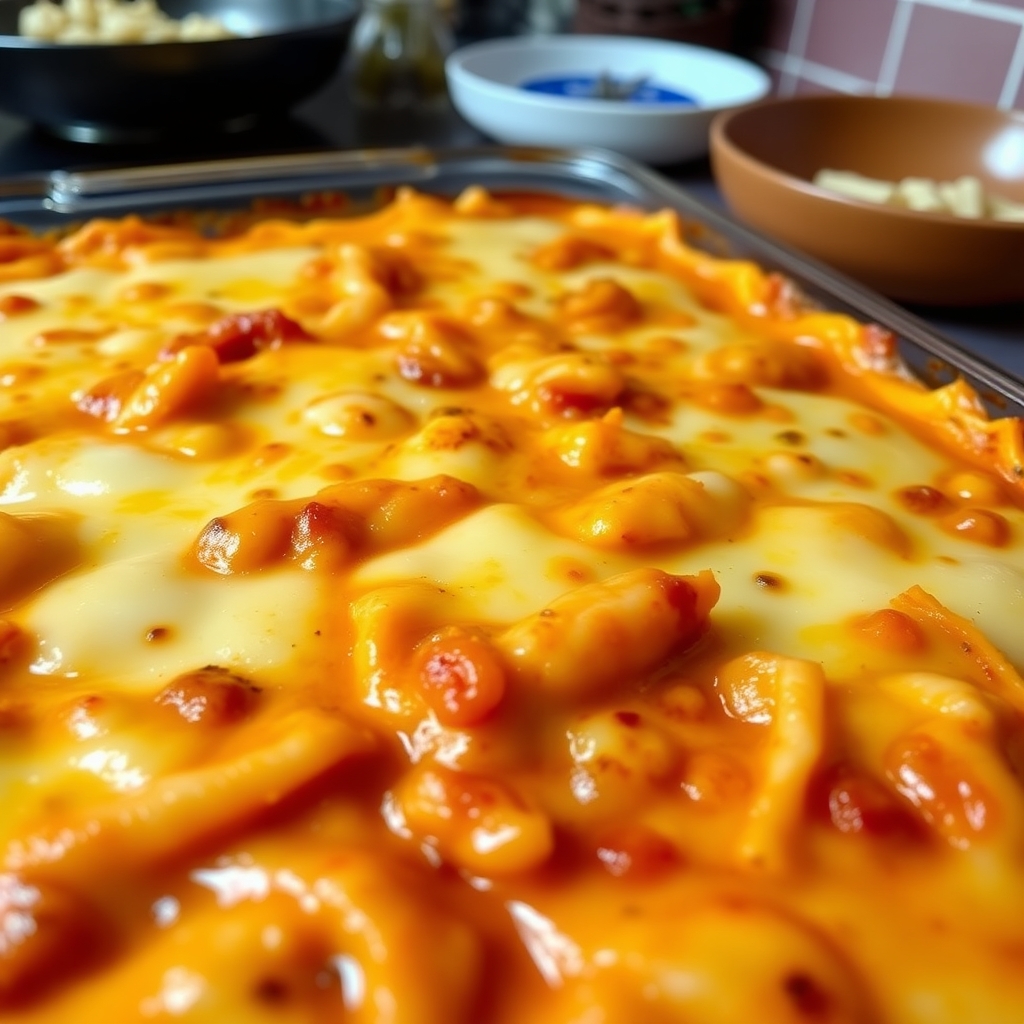
The name comes from combining ramyeon and tteokbokki. Traditional Korean tteokbokki is already a beloved bunsik-jip snack, but adding noodles takes it to a new level. Once a layer of cheese melts over the top, the heat mellows, the sauce turns creamy, and every spoonful delivers an irresistible cheese pull.
This cheese rabokki recipe is perfect for a quick weeknight dinner or a late-night comfort fix. You only need one wide pan, a handful of Korean pantry staples, and about 30 minutes.
 📌 Pin
📌 PinWhy You’ll Love Cheese Rabokki
This meal delivers deep umami from gochujang, subtle sweetness from sugar, and a bright kick from gochugaru. The rice cakes are soft and bouncy, while the ramyeon noodles are springy and easy to twirl. The cheese binds everything into a creamy, saucy bowl.
Rabokki also happens to be one of the most forgiving dishes in Korean cuisine. You can adjust the heat, swap proteins, or add vegetables without losing the character of the dish. It is also naturally a one-pan meal, so cleanup stays simple.
- Ready in about 30 minutes from start to finish
- Made with shelf-stable pantry ingredients
- Perfectly balanced sweet, spicy, savory, and creamy flavors
- Easy to scale up for a crowd or cut down for one
Ingredients for a Cheese Rabokki Recipe
 📌 Pin
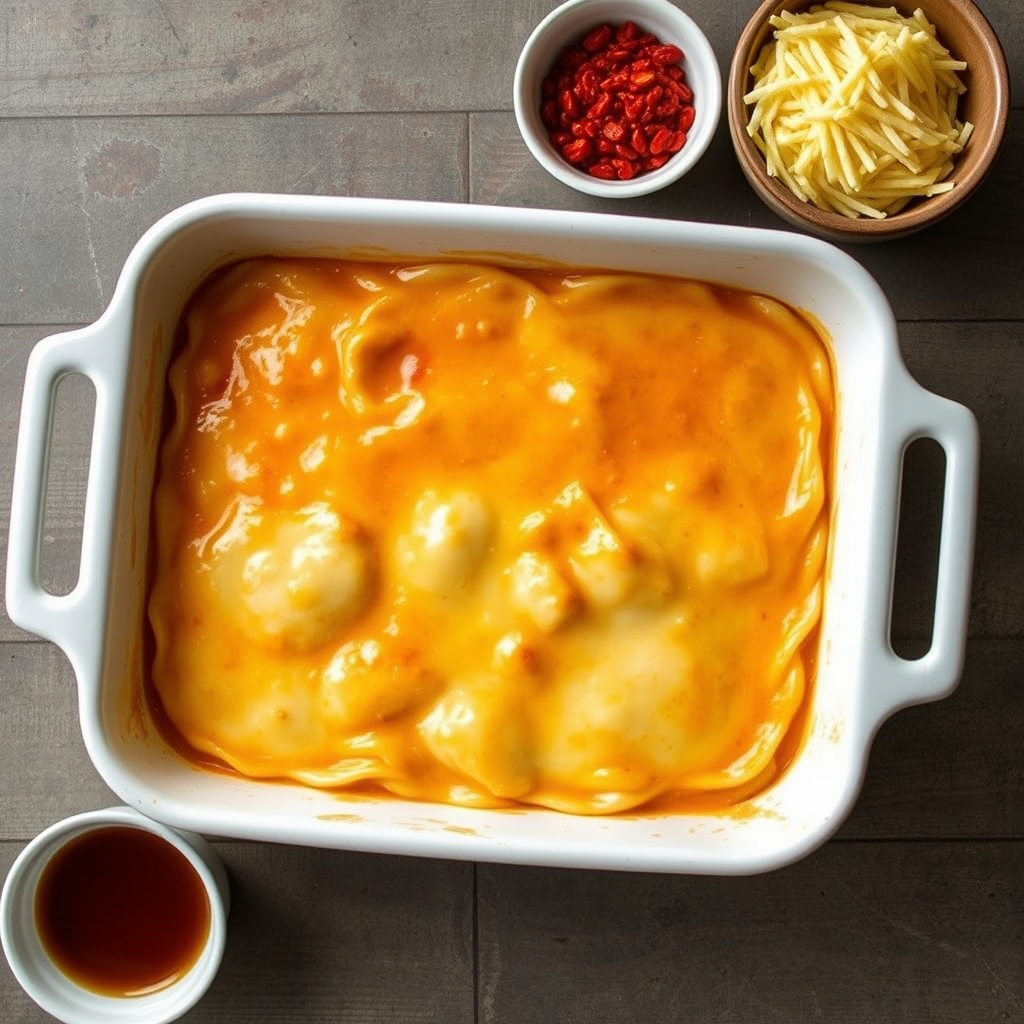
📌 PinMost Korean grocers carry the ingredients below, and online stores are a good backup. The star of the dish is gochujang, a fermented Korean chili paste with a deep, slightly sweet flavor.
- 8 ounces Korean cylinder rice cakes (fresh or frozen)
- 2 packs instant ramyeon (noodles only; use ramen blocks if needed)
- 4 cups anchovy-kelp stock or water
- 2 tablespoons gochujang (Korean chili paste)
- 1 to 2 tablespoons gochugaru (Korean chili flakes)
- 1 tablespoon soy sauce
- 1 tablespoon sugar or honey
- 2 garlic cloves, minced
- 1 cup shredded mozzarella or sliced American cheese
- 2 green onions, sliced, plus toasted sesame seeds
- Optional: fish cake slices, soft-boiled egg, sliced cabbage, or cheese tteok
If you are new to Korean cuisine, start with mild gochugaru and add more to taste. Fresh rice cakes cook in minutes, while frozen ones need a little extra simmering. Shelf-stable rice cakes benefit from a 10-minute soak in warm water before cooking.
For a finished dish with the best texture, shred mozzarella from a block. Pre-shredded cheese is convenient, but anti-caking agents can slow melting. This cheese rabokki recipe still works with either, so use what you have.
How to Make This Cheese Rabokki Recipe
This cheese rabokki recipe follows the quick method used at Korean street-food stalls: build the sauce, simmer the rice cakes, add the noodles, and finish with melted cheese. Use a wide skillet or shallow pot so everything cooks evenly.
Step 1: Build the spicy sauce base
Combine the stock, gochujang, gochugaru, soy sauce, sugar, and garlic in a cold pan. Stir until the paste dissolves completely, then bring the liquid to a gentle simmer over medium heat. Taste the sauce before adding the rice cakes; it should be bold, spicy, and slightly sweet.
Step 2: Simmer the rice cakes and noodles
Add the rice cakes and optional fish cake to the simmering sauce. Cook for 5 to 7 minutes, stirring every minute or two, until tender and slightly chewy. Push the rice cakes to one side, add the ramyeon noodles, and cook for 3 to 4 minutes, separating them with tongs. If the sauce looks dry, add a splash of stock.
Step 3: Add the cheese and garnish
Sprinkle the mozzarella evenly over the noodles and rice cakes. Cover the pan, turn off the heat, and rest for 1 to 2 minutes until the cheese melts into a smooth blanket. Scatter green onions and sesame seeds over the top, then serve directly from the pan.
Cheese Rabokki Recipe Tips and Variations
Use these tweaks to make the recipe your own.
- Control the spice: For mild heat, use only 1 tablespoon gochugaru. For extra depth, add another tablespoon of gochujang.
- Pick the right cheese: Low-moisture mozzarella stretches well; American cheese creates a creamier sauce; sharp cheddar adds a tangy punch.
- Add more protein: Fish cake, halved boiled eggs, or shredded cooked chicken turn the bowl into a heartier meal.
- Make it vegetarian: Swap the anchovy-kelp stock for vegetable stock and skip the fish cake.
- Play with toppings: Toasted sesame seeds, crumbled nori, or a small pat of butter work beautifully.
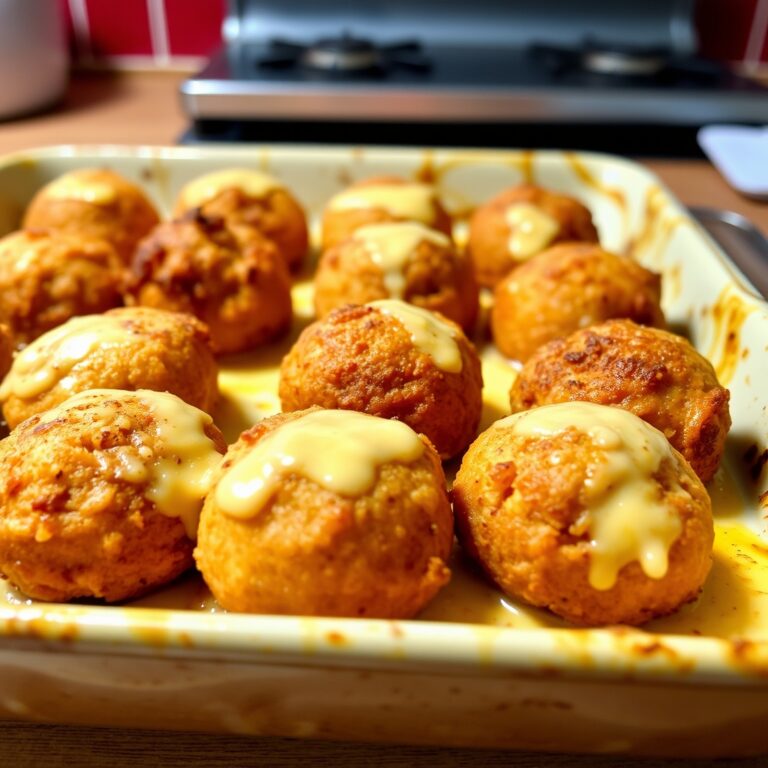
For another cheesy comfort dinner, try the Luxury Thanksgiving Mac and Cheese when you want a baked option. And if you love crispy, golden cheese with a gooey center, Easy Fried Cheese Balls make a perfect side or snack.
Serving, Storage, and Make-Ahead Tips
 📌 Pin
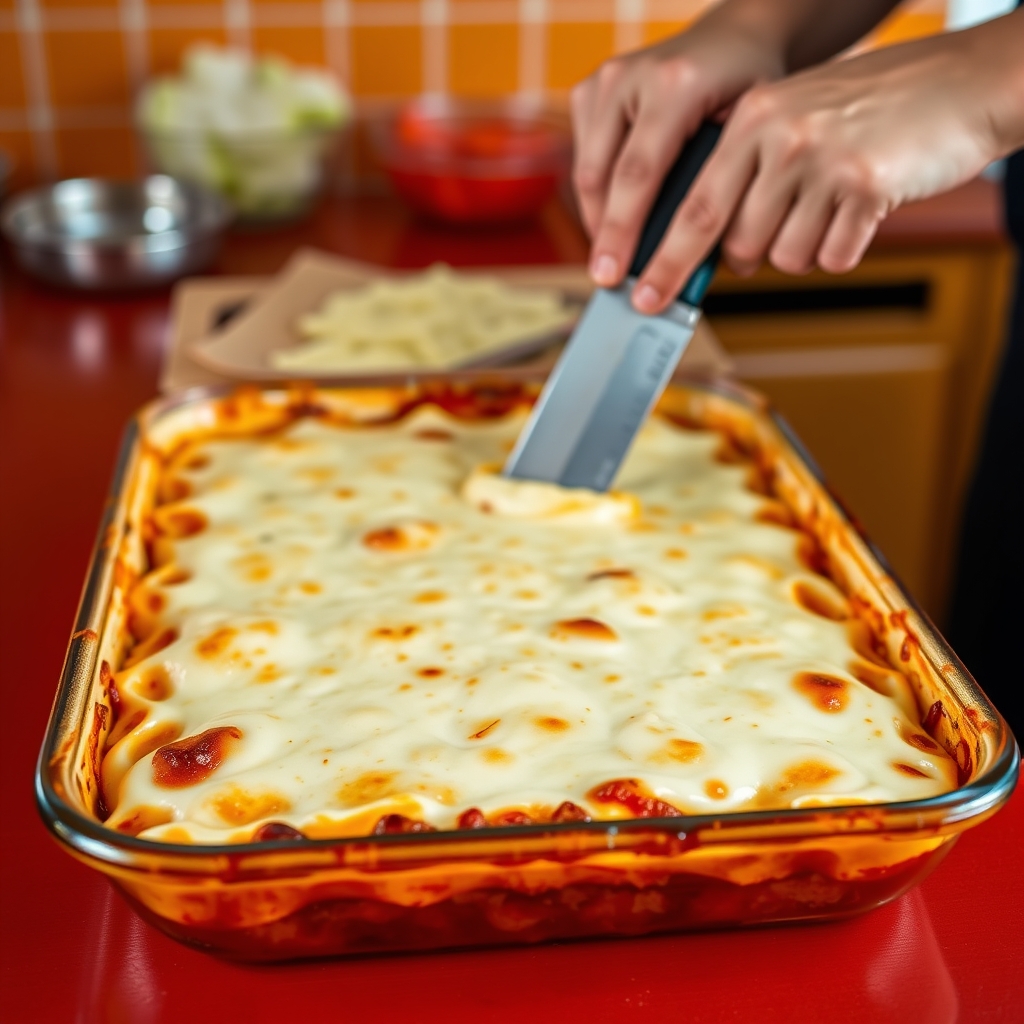
📌 PinCheese rabokki is at its best the moment it hits the bowl. The sauce is glossy, the noodles are springy, and the cheese stretches with every twirl. Serve it in shallow bowls, and offer extra gochugaru or sliced green onions on the side.
- Refrigerate leftovers in an airtight container for up to 2 days.
- Reheat gently on the stovetop with a splash of stock or water to loosen the sauce.
- Microwaving quickly can make rice cakes tough, so use low power if you do.
- Make the sauce base up to 3 days in advance; keep it chilled in a sealed jar.
- Store uncooked rice cakes in the freezer and add an extra minute to the simmering time.
To stretch the dish, serve it with quick-pickled radish or cucumber. The bright acidity cuts through the creamy sauce and keeps every bite from feeling too heavy.
Common Mistakes to Avoid
Rabokki is simple, but a few wrong moves can turn it gummy or rubbery. Keep these tips in mind.
- Overcooking the rice cakes. Mushy rice cakes lose the signature chew. Simmer just until tender and no longer.
- Boiling the sauce too hard. A rolling boil reduces the sauce unevenly and can make the noodles soggy. Keep it at a gentle bubble.
- Adding noodles too early. Ramyeon cooks in just a few minutes. Add it only after the rice cakes are nearly done.
- Skipping the lid after adding cheese. Trapped steam melts the cheese evenly and quickly.
- Forgetting to taste the sauce. Gochujang brands vary in salt and heat. Adjust sugar, soy sauce, or gochugaru before it all comes together.
The dish pairs well with a fast protein main. Skillet Garlic Butter Steak Bites cook in about 20 minutes and add a savory, buttery counterpoint to the spicy noodle bowl.
Cheese Rabokki Recipe FAQ
What is cheese rabokki made of?
Cheese rabokki is made of Korean rice cakes, instant ramyeon noodles, and a gochujang-based sauce with gochugaru, soy sauce, sugar, and stock. It is topped with a melting cheese such as mozzarella or American cheese, often along with green onions and sesame seeds.
Is rabokki spicier than tteokbokki?
Rabokki and tteokbokki share a similar sauce, so the spice level depends on the amount of gochujang and gochugaru you use. Cheese rabokki often tastes milder because the cheese coats the tongue and softens the chile heat.
Can I make cheese rabokki without gochujang?
You can make a rough substitute with miso paste, chili garlic sauce, and a pinch of sugar, but it will not taste exactly the same. Gochujang gives the dish its fermented depth, so it is worth keeping on hand for recipes like this one.
Once you try this cheese rabokki recipe, you will see why it is so popular in Korean snack bars and home kitchens alike. It is fast, flexible, and endlessly comforting.